

Brand Identity & Creative Direction
Lieu Allure
A curated creative studio rental concept for photographers, videographers, content creators, built from brand strategy through full visual identity.
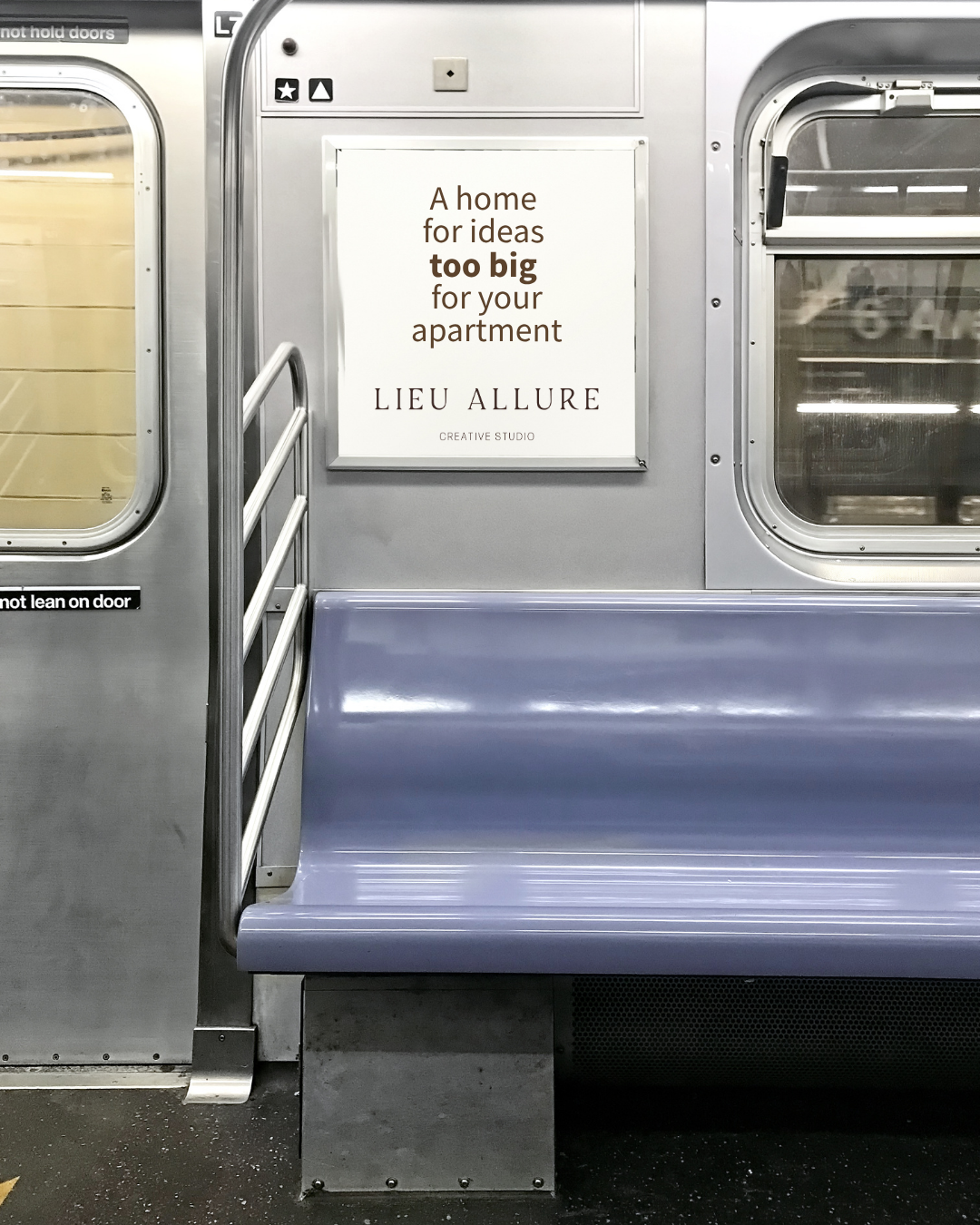
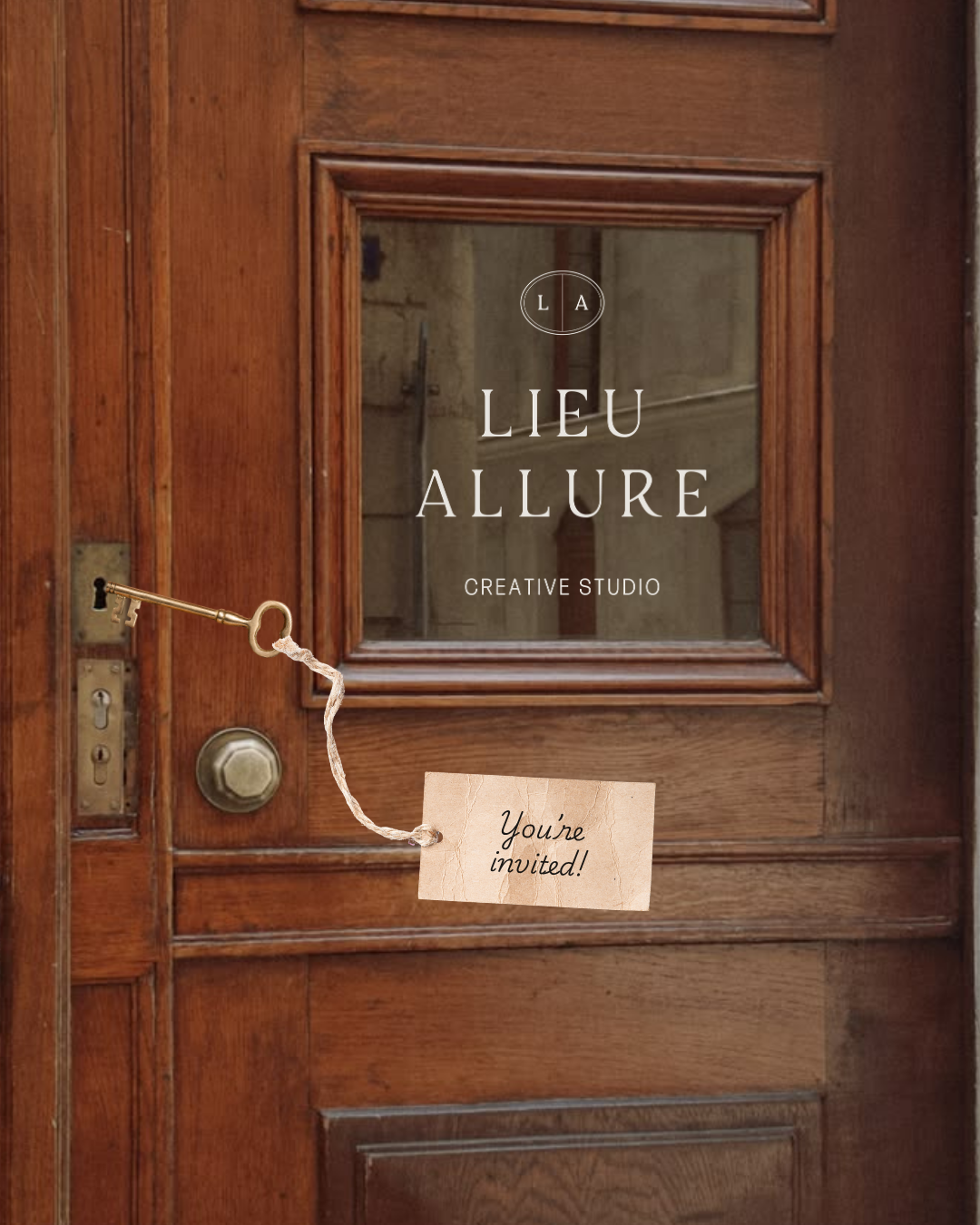
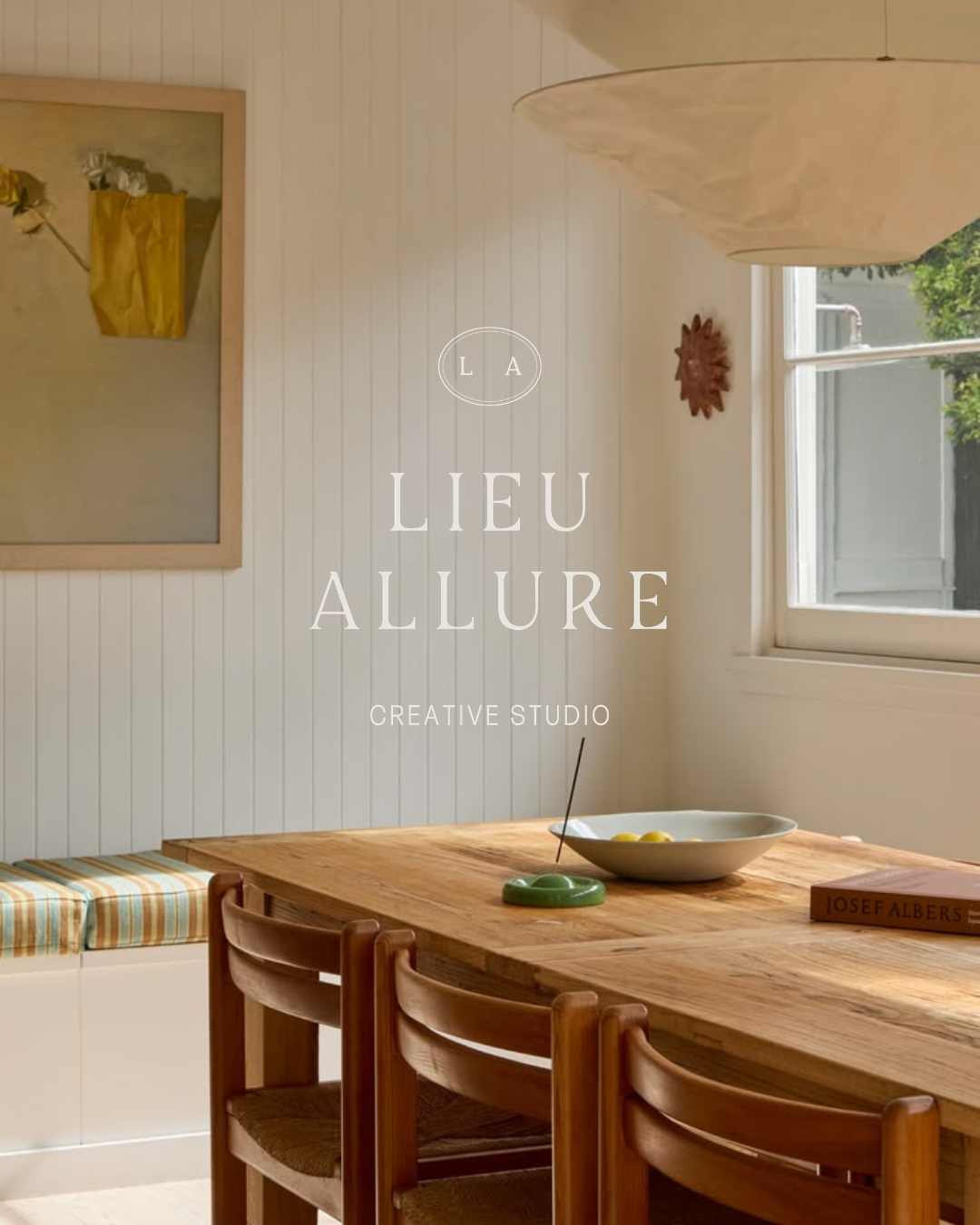
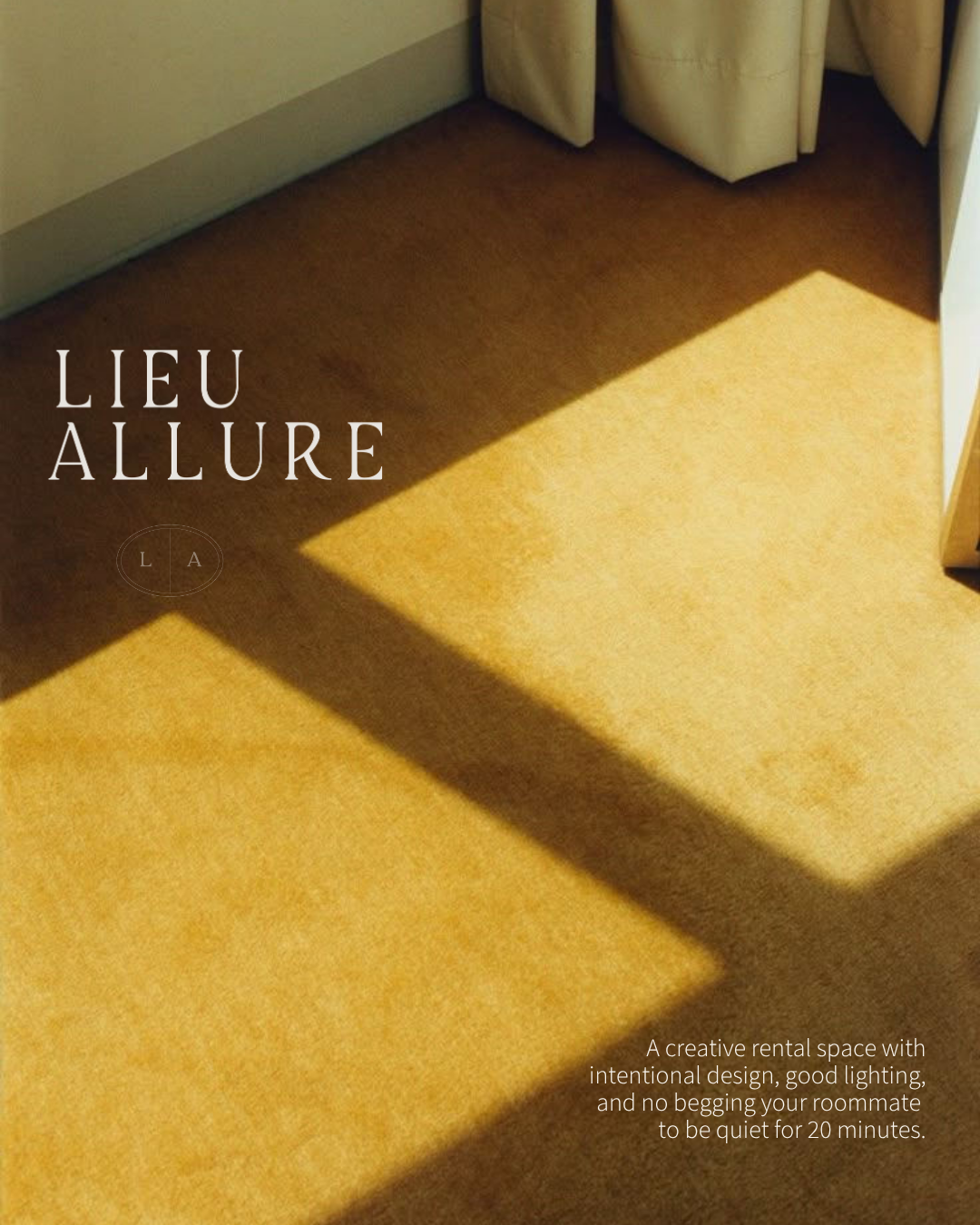
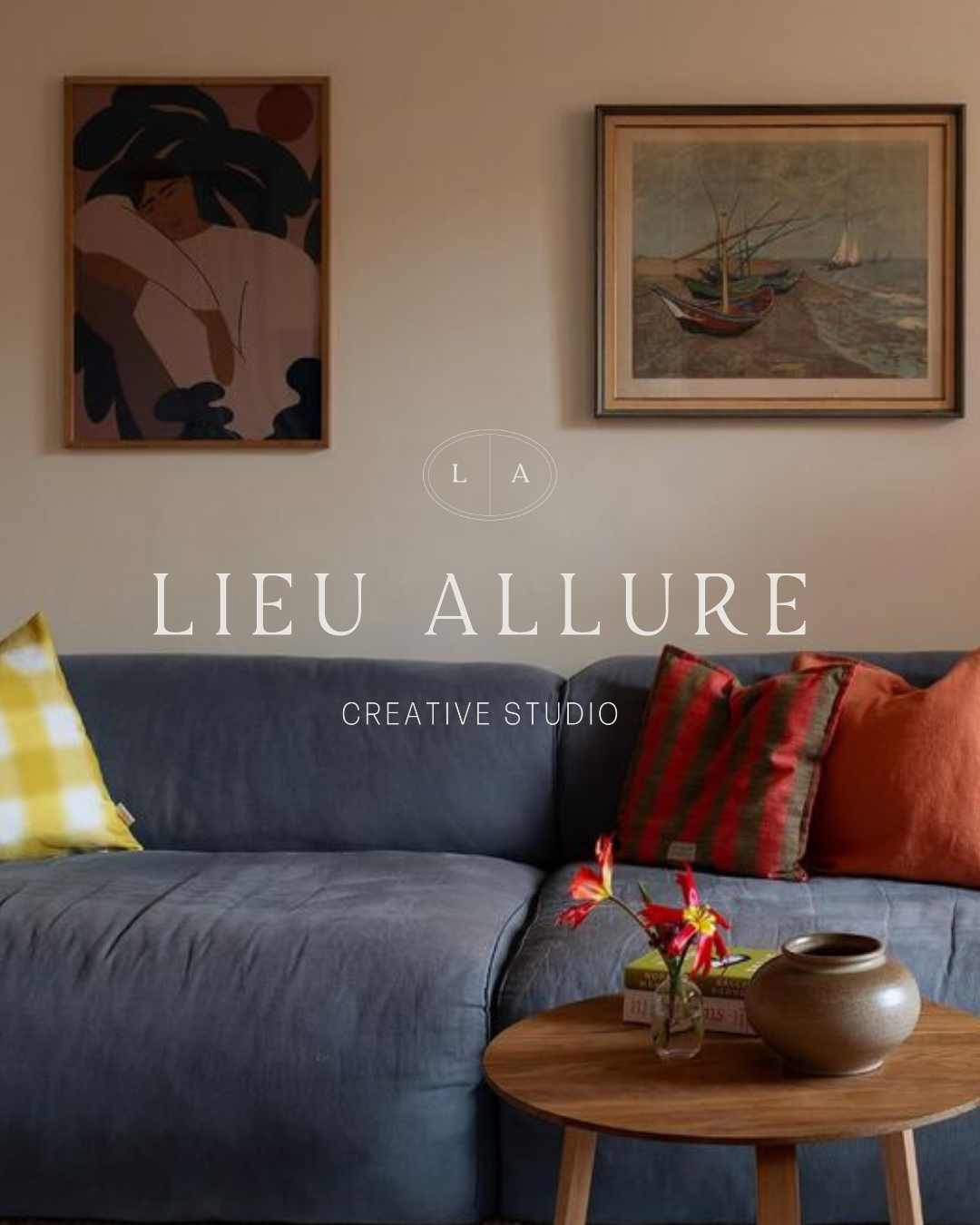
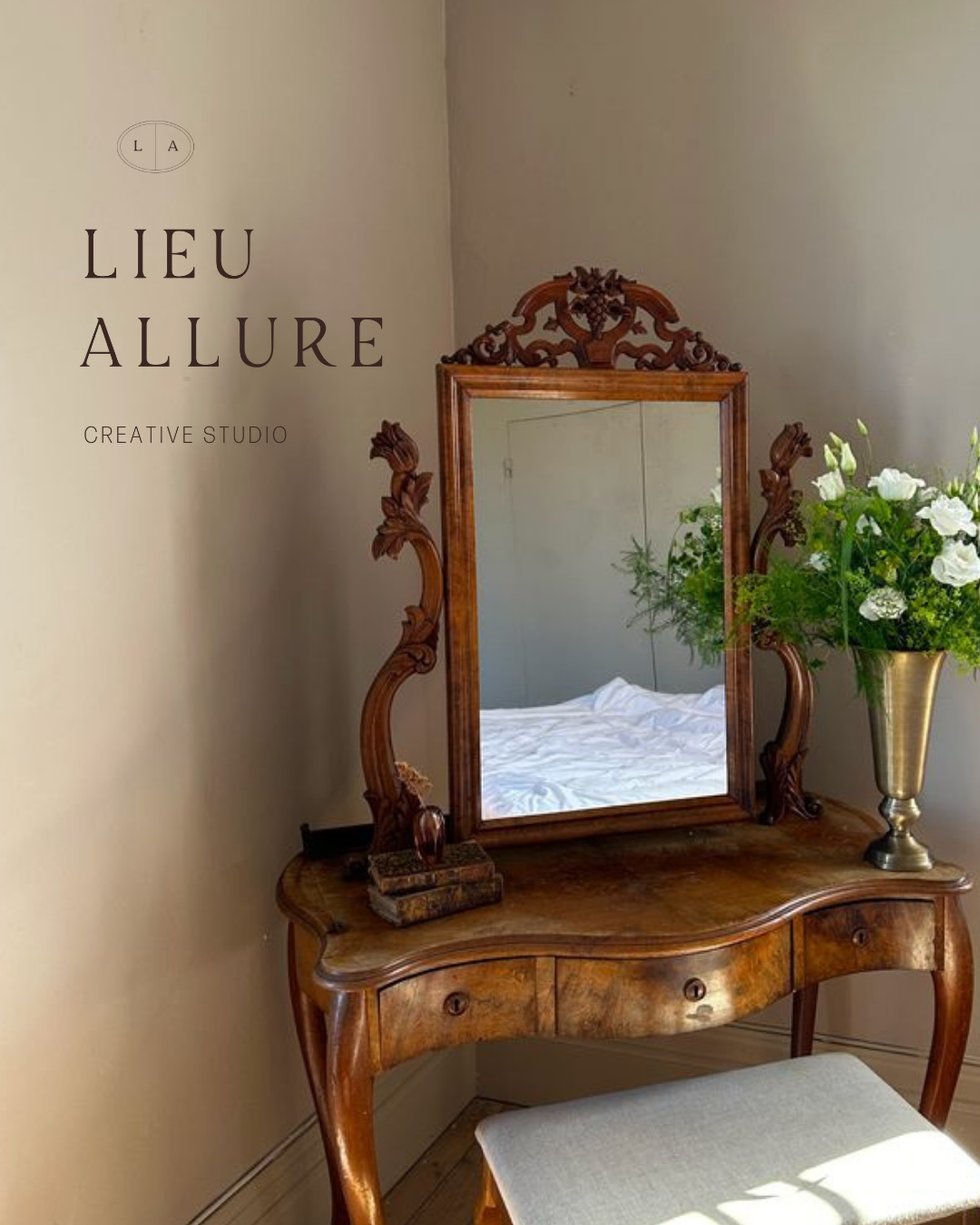
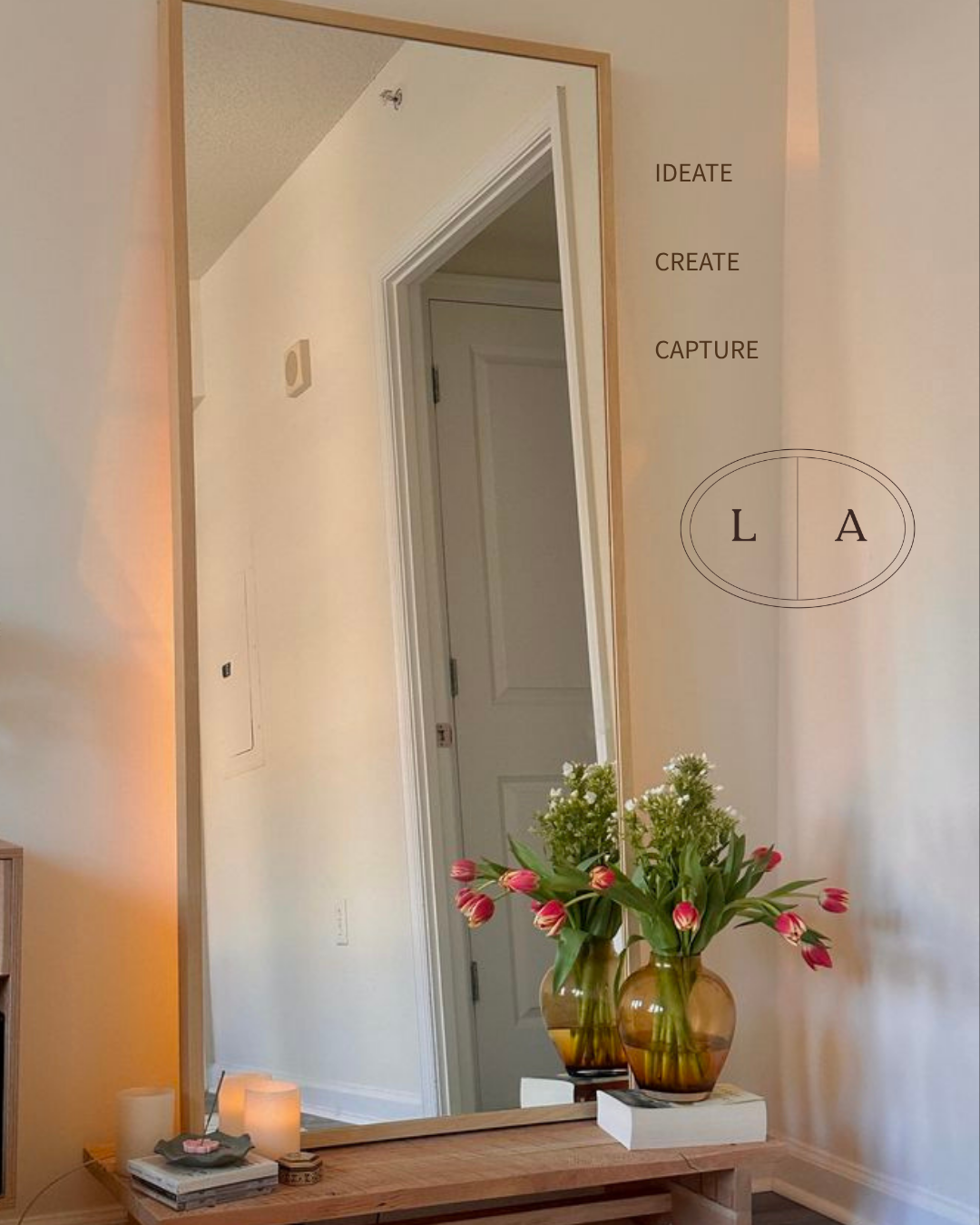
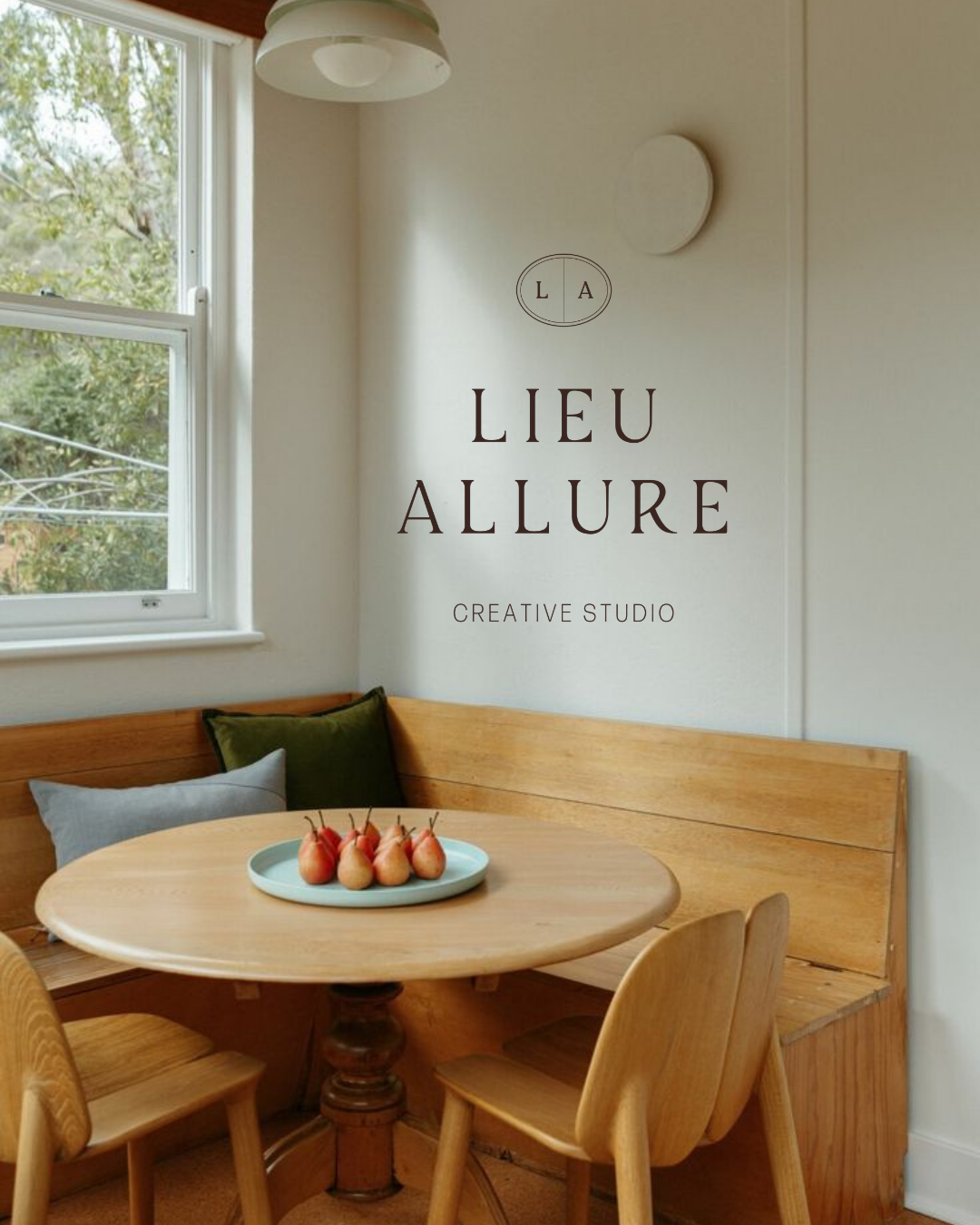
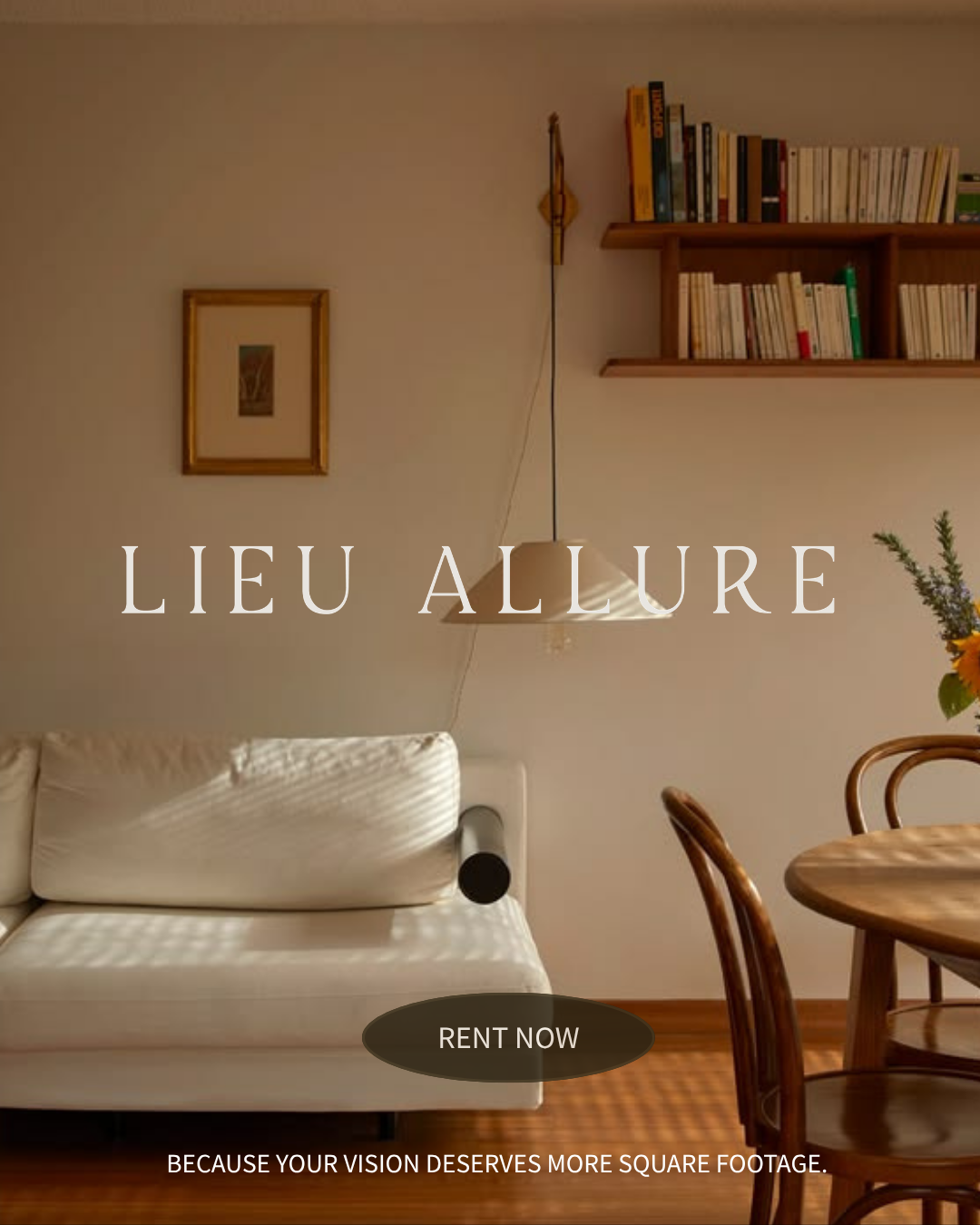
Led end-to-end creative direction for a from-scratch brand concept, translating an abstract spatial and emotional idea into a full visual identity system
Designed a complete logo suite - primary lockup, wordmark, stacked and horizontal variants - in Adobe Illustrator
Developed supporting visual assets and imagery treatment in Adobe Photoshop
Built a colour palette and typography system grounded in emotional/psychological colour theory to shape spatial tone and mood
Authored a comprehensive brand guidelines document (identity system, logo usage, colour, typography, imagery style, and voice/tone) built for consistent execution across future touch-points
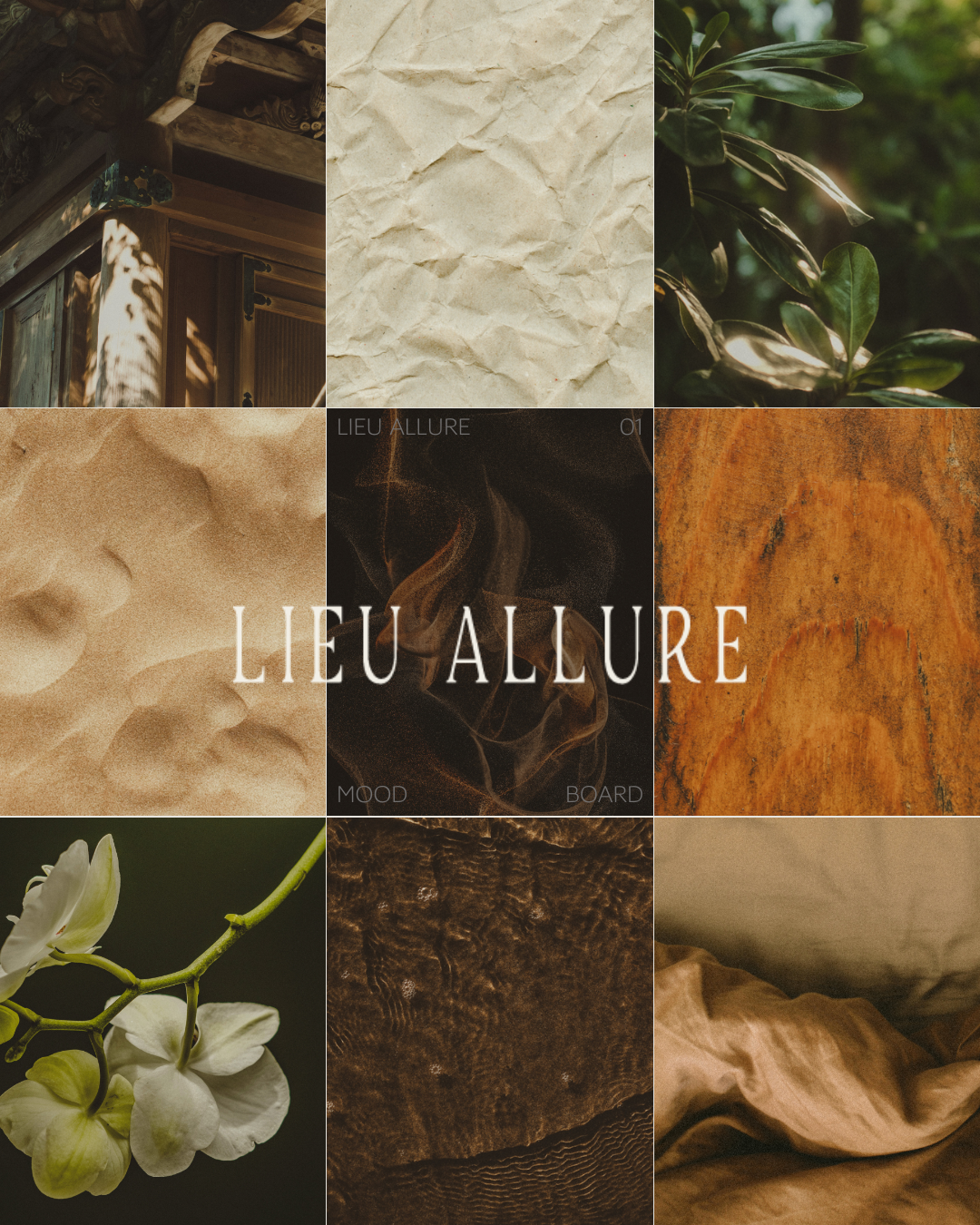
Directed mood board and concept imagery development to visualize brand direction ahead of launch
At A GlanceThe Evolution of Lieu Allure
Full Case StudyThe problem
Content creators and photographers are everywhere now, but the spaces built for them haven't caught up. Most studio rentals are sterile with classic white cyc walls, harsh lighting, function with no feeling. Filming at home doesn't always solve it either: between today's economy and roommates, not everyone has a space that looks the way they want on camera, or the quiet to set it up in. Lieu Allure started as a response to that gap - a space that feels less like a studio and more like your apartment, if your apartment were exactly how you wanted it.
The concept
The three rooms came from watching where people actually film: sitting on the living room floor, "get ready with me," "make coffee with me." Instead of generic studio space, Lieu Allure built around those real moments: the Get-Ready Room, the Living Room Sanctuary, the Morning Nook. Each is designed to feel less like a set and more like home leaning intimate instead of staged. The intention goes further than backdrop, too: someone could book the space with nothing to shoot at all, just to sit in it and think. A creative reset, not only a set.
The process
The process started with colour, because colour shapes the entire tone and how a room feels. The goal was warm but not overheated, calm but not sterile, with feng shui principles guiding how colour could shape energy rather than just decorate. Underneath it sat a tension worth naming: luxurious, but approachable. Creative people aren't inspired by white walls and beige, but they're just as easily overwhelmed by too much going on, the palette had to thread that needle. Only once colour, typography, and spatial direction were settled did the logo system get built, so the mark could carry an identity that was already established rather than invent one on its own.
The result
Mood boards and concept imagery brought the rooms to life ahead of launch, and early conversations with a sculptor and a vintage furniture sourcer began shaping what would actually fill the space, turning the identity system into something with physical weight, not just a brand on paper.